Apply for this course
Please select when you would like to start:
If you're a UK applicant wanting to study full-time starting in September, you must apply via UCAS unless otherwise specified. If you're an international applicant wanting to study full-time, you can choose to apply via UCAS or directly to the University.
If you're applying for part-time study, you should apply directly to the University. If you require a Student visa, please be aware that you will not be able to study as a part-time student at undergraduate level.
Why study this course?
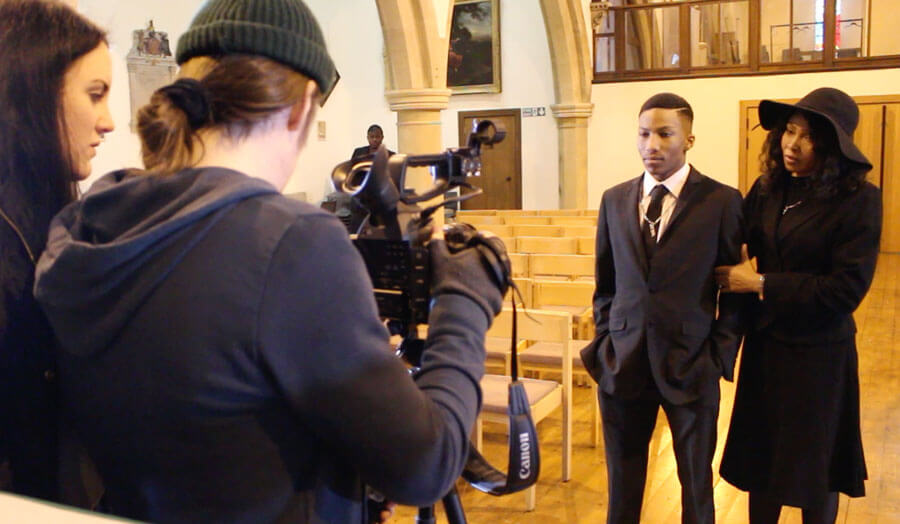
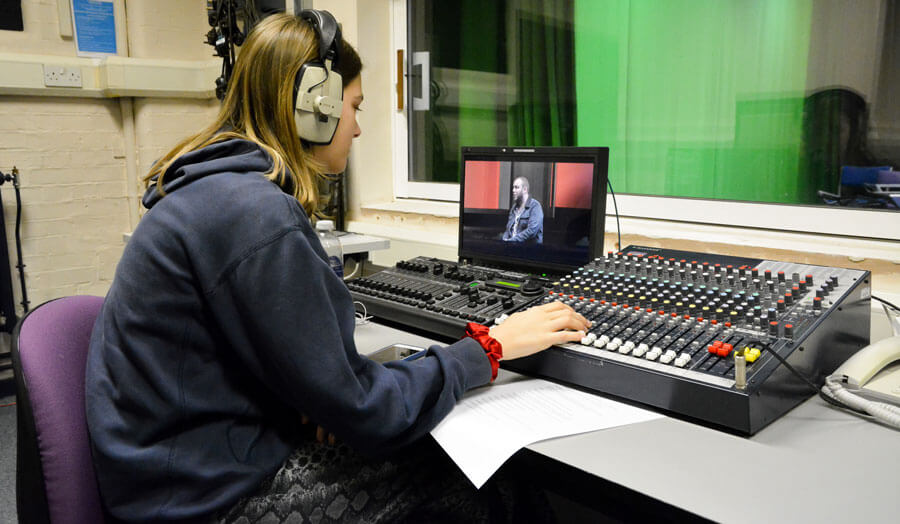
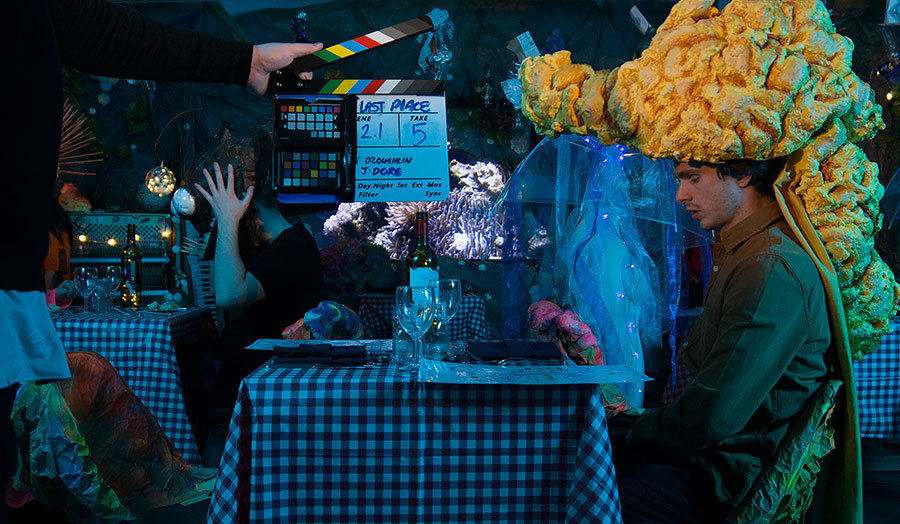
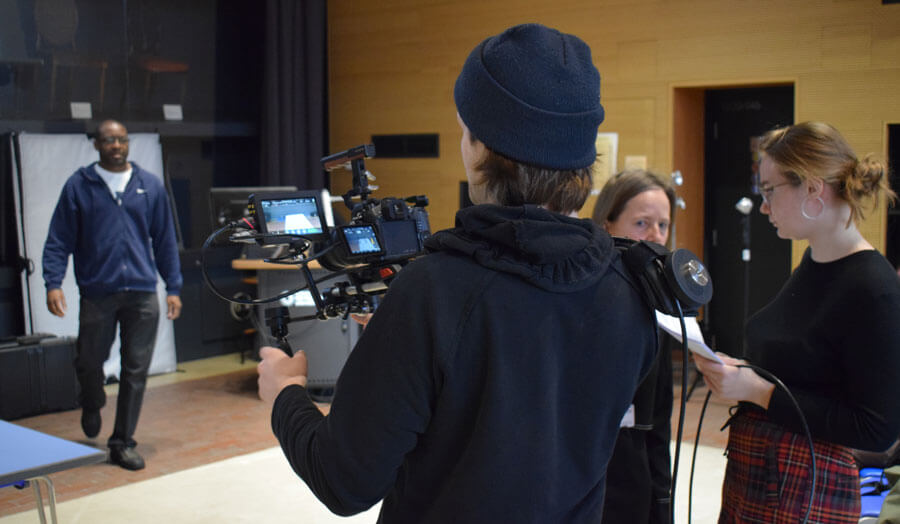
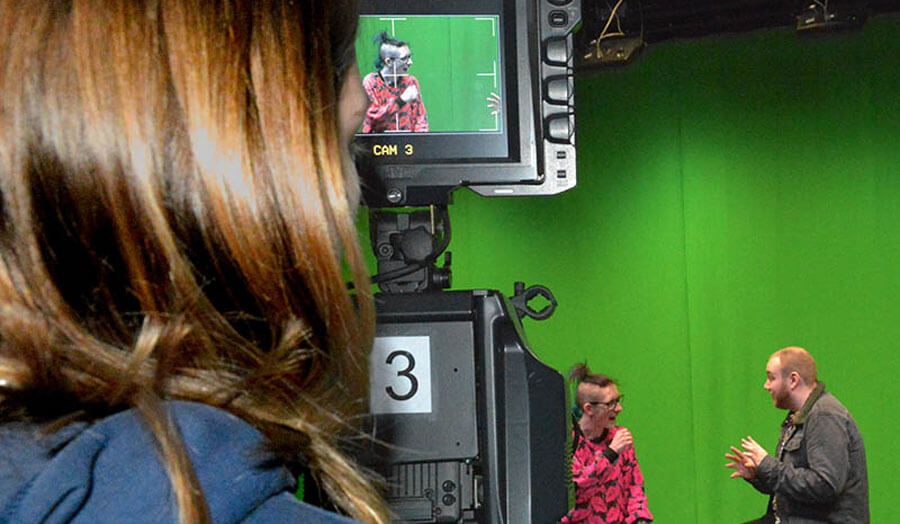
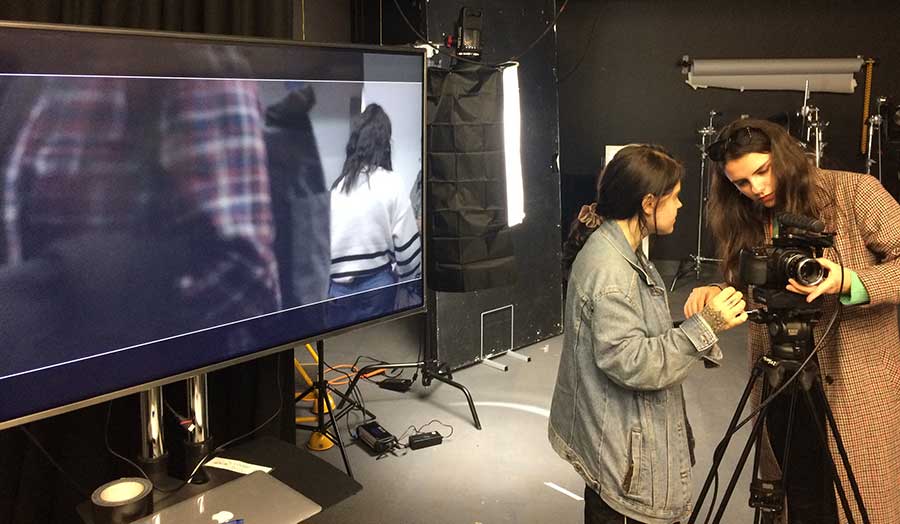
The Film and Television Production BA is a dynamic production-focussed course for aspiring filmmakers. The skills you acquire will allow you to work in specialist and broad-based media roles. You'll produce a wide range of film and television productions, creating a portfolio of moving image work spanning diverse genres and formats including short fiction film, documentary and multi-camera TV studio production alongside constantly changing new and emerging practice such as client-led, online and interactive content.
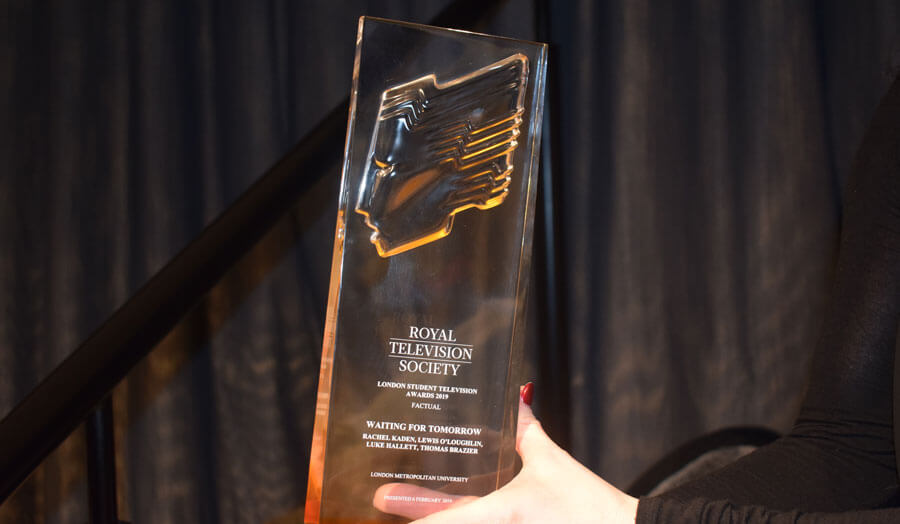
This long-established degree has a strong employability and industry focus, consistently supporting and developing student filmmakers to produce work of the highest standard. In 2019 our students were nominated for two Royal Television Society awards for their graduation films, going on to win the factual (documentary film) category.
Benefit from external experts
We invite a range of guest speakers to deliver masterclasses including workshops led by BAFTA winning directors and producers
Second in the UK for student satisfaction
Our drama, dance and cinematics courses ranked second in the UK for student satisfaction in the Complete University Guide 2025
Boost your career prospects
This degree course has a strong employability and industry focus, consistently supporting and developing student filmmakers to produce work of the highest standard
Course details
In addition to the University’s standard entry requirements, you should have:
- a minimum of grades BBC in three A Levels (or a minimum of 112 UCAS points from an equivalent Level 3 qualification, eg Advanced Diploma)
If you don't have traditional qualifications or can't meet the entry requirements for this undergraduate degree, you may still be able to gain entry by completing our Film and Television Production (including foundation year) BA (Hons) degree.
Application may include a compulsory interview and/or portfolio submission. Please see our portfolio guidelines for further details.
Accreditation of Prior Learning
Any university-level qualifications or relevant experience you gain prior to starting university could count towards your course at London Met. Find out more about applying for Accreditation of Prior Learning (APL).
English language requirements
To study a degree at London Met, you must be able to demonstrate proficiency in the English language. If you require a Student visa (previously Tier 4) you may need to provide the results of a Secure English Language Test (SELT) such as Academic IELTS. This course requires you to meet our standard requirements.
If you need (or wish) to improve your English before starting your degree, the University offers a Pre-sessional Academic English course to help you build your confidence and reach the level of English you require.
You will be assessed through a variety of coursework and in-class assignments.
For Film and Television Production these include film projects and reflection of these projects. They will also include summaries, presentations, textual analysis, essays, screenplays, and a final year dissertation.
Graduates of this course can pursue postgraduate study, or work in a variety of fields, including the creative and cultural industries, film criticism and academia.
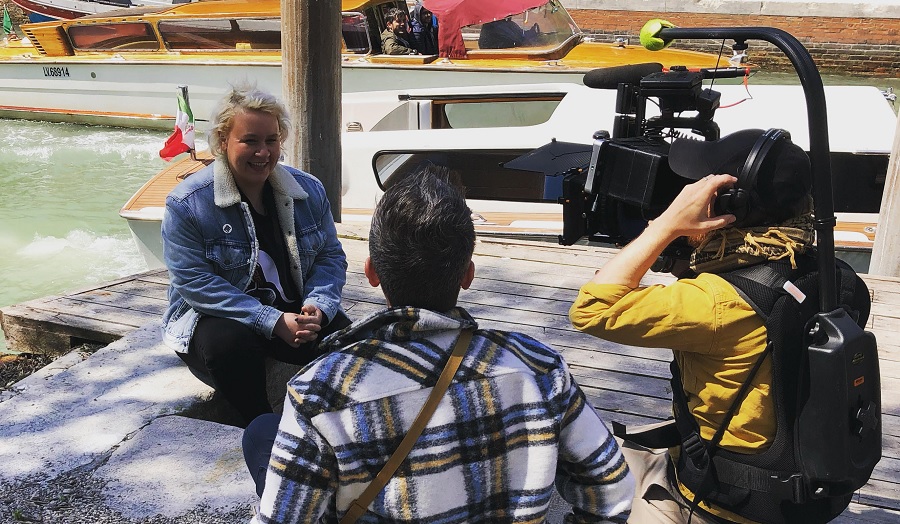
As the hub of the film and television industries in the UK, London provides many options for students, both in organisations such as the British Film Institute, the BBC, ITV and Channel 4, and in the numerous independent production companies located across the city.
Our location (Aldgate) in London’s creative East End provides many opportunities for graduating students, both in organizations such as the British Film Institute, the BBC, ITV and Channel 4, and in the numerous independent production companies located nearby and across the city. Recent alumni include one of only three black female filmmakers to have directed a feature film that has received a nationwide release in the UK and a cinematographer who works on TV shows including League of Gentlemen and Cold Feet.
Our creative technologies and digital media graduates have gone on to exciting careers as content programmers, fashion copywriters, motion graphic designers, multimedia journalists and visual effects production assistants, radio presenters, studio runners and producers in companies such as D2 Interactive, TK MAXX, Motion Picture Company, Virtual Arts, Volant Media and We Are Capture.
We currently have three locations in Holloway, Aldgate and Shoreditch. As we evolve as a University, we'll be reviewing the use of these spaces to ensure all our students have access to the facilities and study areas they need to succeed. This means the campus where this course is taught may change over time.
The experience of our students will always be our top priority and we'll notify applicants and students of any changes to their teaching location at the earliest opportunity.
If you study your undergraduate degree with us, as a graduate of London Met, you'll be entitled to a 20% discount on a postgraduate course if you continue your studies with us.
* exclusions apply
Please note, in addition to the tuition fee there may be additional costs for things like equipment, materials, printing, textbooks, trips or professional body fees.
Additionally, there may be other activities that are not formally part of your course and not required to complete your course, but which you may find helpful (for example, optional field trips). The costs of these are additional to your tuition fee and the fees set out above and will be notified when the activity is being arranged.
Discover Uni – key statistics about this course
Discover Uni is an official source of information about university and college courses across the UK. The widget below draws data from the corresponding course on the Discover Uni website, which is compiled from national surveys and data collected from universities and colleges. If a course is taught both full-time and part-time, information for each mode of study will be displayed here.
How to apply
If you're a UK applicant wanting to study full-time starting in September, you must apply via UCAS unless otherwise specified. If you're an international applicant wanting to study full-time, you can choose to apply via UCAS or directly to the University.
If you're applying for part-time study, you should apply directly to the University. If you require a Student visa, please be aware that you will not be able to study as a part-time student at undergraduate level.
When to apply
The University and Colleges Admissions Service (UCAS) accepts applications for full-time courses starting in September from one year before the start of the course.
Our UCAS institution code is L68.
Visit UCAS for more details.
To find out when teaching for this degree will begin, as well as welcome week and any induction activities, view our academic term dates.








.jpg)
.jpg)
.jpg)

.jpg)