Apply for this course
Please select when you would like to start:
If you're a UK applicant wanting to study full-time starting in September, you must apply via UCAS unless otherwise specified. If you're an international applicant wanting to study full-time, you can choose to apply via UCAS or directly to the University.
If you're applying for part-time study, you should apply directly to the University. If you require a Student visa, please be aware that you will not be able to study as a part-time student at undergraduate level.
Why study this course?
This is a top-up version of our Fashion Photography BA degree. A top-up degree is the final year (Level 6) of an undergraduate degree course and is for those who have a foundation degree, Higher National Diploma or equivalent qualification, or those wishing to study the final year of their degree in London.
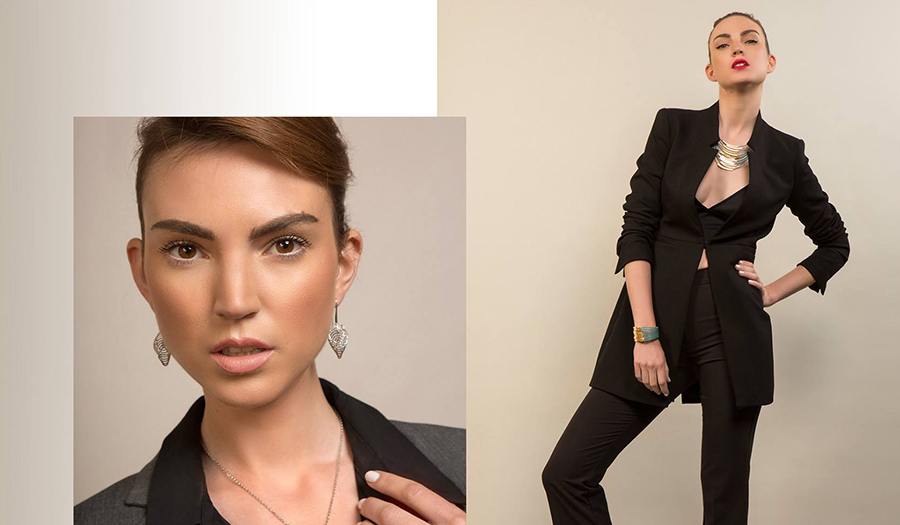
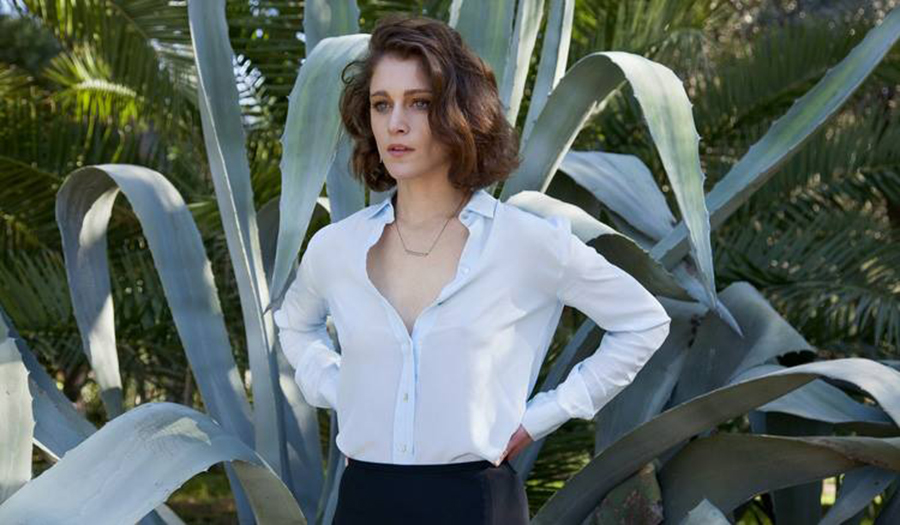
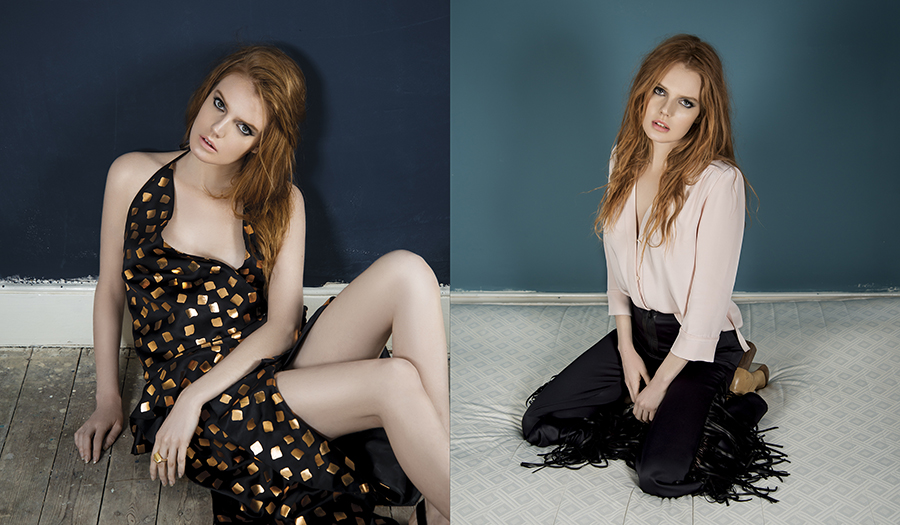
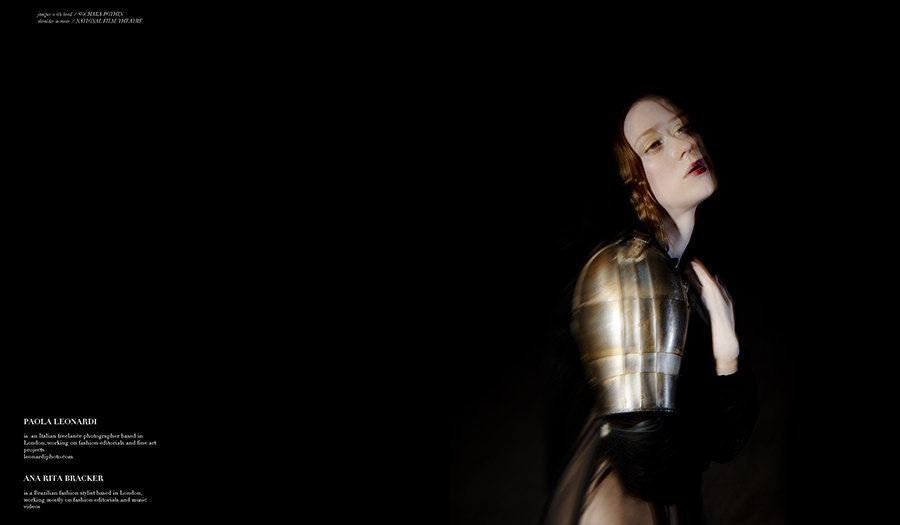
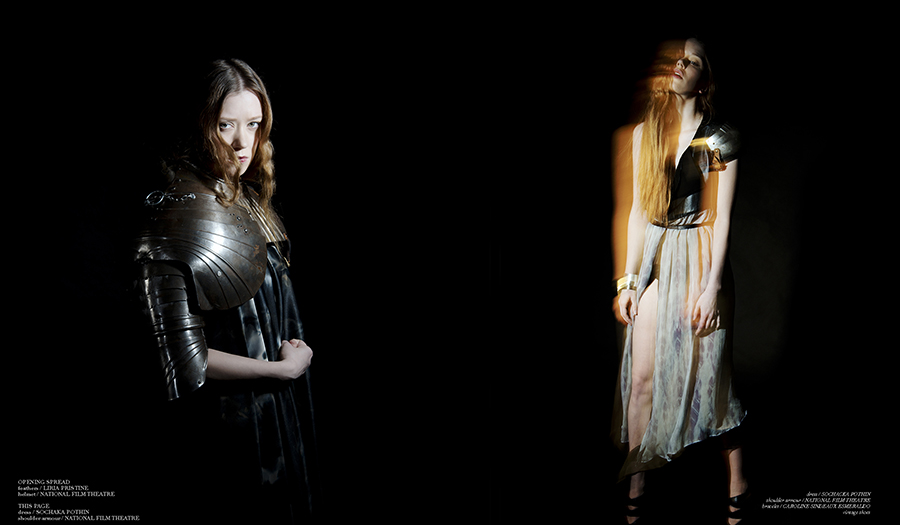
On this course you'll gain an in-depth understanding of visual aesthetics, concepts and the techniques of image production and consumption. You'll also gain proficient knowledge of conceptual and technical skills essential in today’s fast-paced, image-led world, developing innovative and highly creative work through industry-facing projects.
You'll have access to high-end facilities and equipment such as photographic studios and industry standard cameras, film processing suites, black and white and colour darkrooms as well as digital processing suites.
Accredited by the AOP
Our Fashion Photography BA degree is accredited by the Association of Photographers (AOP)
Second in the UK for student satisfaction
Our drama, dance and cinematics courses ranked second in the UK for student satisfaction in the Complete University Guide 2025
Make use of our cutting-edge resources
You'll have access to high-end facilities such as photographic studios and industry standard cameras, film processing suites, black and white and colour darkrooms as well as digital processing suites
Course details
In addition to the University's standard entry requirements, you should have one of the following:
- 240 credits from a Higher National Diploma (HND), Foundation Degree (FdA/ FdSc) or equivalent international qualification in a relevant subject
- 240 credits from years 1 and 2 of an undergraduate degree (BA/BSc) in a relevant subject at a different institution
- a portfolio interview
We encourage applications from international/EU students with equivalent qualifications. We also accept mature students with diverse backgrounds and experiences.
Portfolios and interviews
Your portfolio should be selective, but have enough work to show a range of your interests and talents. We are interested in seeing how you develop a project from beginning to end, not only finished work.
If you cannot bring certain pieces of your work to your portfolio interview, please take photographs and include them.
Physical portfolio
If you are coming in person to your interview we strongly suggest bringing a physical portfolio of work.
Things to bring:
- Sketchbooks – we love to see your sketchbooks with ideas and notes, even if they are messy.
- Examples of the development of a project from start to finish and the final outcome.
- Some work that you are really proud of and want to talk about.
- Some work that shows you experimenting with different processes.
Digital portfolio
If you are submitting an online application, please follow these guidelines.
Things to include:
- Scans or photographs demonstrating items from the list above.
- Storyboarding for motion-based work.
- Also include scans of sketchbook pages showing development.
- Be sure to check the resolution and overall quality of your image to ensure submissions are not pixelated.
Accreditation of Prior Learning
Any university-level qualifications or relevant experience you gain prior to starting university could count towards your course at London Met. Find out more about applying for Accreditation of Prior Learning (APL).
English language requirements
To study a degree at London Met, you must be able to demonstrate proficiency in the English language. If you require a Student visa (previously Tier 4) you may need to provide the results of a Secure English Language Test (SELT) such as Academic IELTS. This course requires you to meet our standard requirements.
If you need (or wish) to improve your English before starting your degree, the University offers a Pre-sessional Academic English course to help you build your confidence and reach the level of English you require.
There are no exams on this course. Instead, you'll be assessed through practical and written coursework. You’ll be given valuable verbal and written feedback as your work progresses.
At a time when the skills of flexible working are in demand, photography graduates are well-positioned to succeed in the contemporary world of work.
Completion of the Fashion Photography (Top-up) BA degree will equip you with all the skills and knowledge needed to work in roles such as picture editing, post-production, fashion and editorial photography, art galleries, magazines, modelling agencies, picture libraries and in technical and creative industries.
Careers open to graduates of this course include fashion and the visual arts as freelance or in-house photographers, magazine editors, art directors, media and advertising professionals as well as careers in further and higher education.
You could also progress to further study at MA and PhD level.
We currently have three locations in Holloway, Aldgate and Shoreditch. As we evolve as a University, we'll be reviewing the use of these spaces to ensure all our students have access to the facilities and study areas they need to succeed. This means the campus where this course is taught may change over time.
The experience of our students will always be our top priority and we'll notify applicants and students of any changes to their teaching location at the earliest opportunity.
If you study your undergraduate degree with us, as a graduate of London Met, you'll be entitled to a 20% discount on a postgraduate course if you continue your studies with us.
* exclusions apply
Please note, in addition to the tuition fee there may be additional costs for things like equipment, materials, printing, textbooks, trips or professional body fees.
Additionally, there may be other activities that are not formally part of your course and not required to complete your course, but which you may find helpful (for example, optional field trips). The costs of these are additional to your tuition fee and the fees set out above and will be notified when the activity is being arranged.
Follow our School of Art, Architecture and Design on Twitter, Facebook and Instagram to stay up to date with everything that's happening in our creative community.
For an insight into what our fashion photography students have been up to, you can also follow their journey on Instagram @fashionphoto_ldnmetarts.
How to apply
If you're a UK applicant wanting to study full-time starting in September, you must apply via UCAS unless otherwise specified. If you're an international applicant wanting to study full-time, you can choose to apply via UCAS or directly to the University.
If you're applying for part-time study, you should apply directly to the University. If you require a Student visa, please be aware that you will not be able to study as a part-time student at undergraduate level.
When to apply
The University and Colleges Admissions Service (UCAS) accepts applications for full-time courses starting in September from one year before the start of the course. Our UCAS institution code is L68.
If you will be applying direct to the University you are advised to apply as early as possible as we will only be able to consider your application if there are places available on the course.
To find out when teaching for this degree will begin, as well as welcome week and any induction activities, view our academic term dates.
.jpg)
-(1).jpg)
.jpg)
.jpg)
.jpg)
.jpg)
.jpg)
.jpg)
.jpg)
.jpg)
.jpg)
.jpg)
.jpg)
.jpg)
.jpg)
.jpg)
.jpg)
.jpg)
.jpg)