Apply for this course
Please select when you would like to start:
If you're a UK applicant wanting to study full-time starting in September, you must apply via UCAS unless otherwise specified. If you're an international applicant wanting to study full-time, you can choose to apply via UCAS or directly to the University.
If you're applying for part-time study, you should apply directly to the University. If you require a Student visa, please be aware that you will not be able to study as a part-time student at undergraduate level.
Why study this course?
On this undergraduate course, you’ll learn the skills necessary to become a dietitian – the only qualified health professional that can assess, diagnose and treat diet and nutrition related problems at an individual and wider public health level.
Third in London for student satisfaction
Our food science courses are ranked third in London for student satisfaction, according to the Complete University Guide 2025
Get hands-on experience with work placements
This course includes three work placements: a two-week placement in Year 1, a 12-week placement in Year 2 and a 14-week placement in Year 3
Become a qualified dietitian
Successful completion of this course will make you eligible to apply to join the register of the Health and Care Professions Council (HCPC) as a Dietitian
Course details
In addition to the University's standard entry requirements, you should have:
- a minimum of grades BBB in three A levels, including grade B or above in Biology and Chemistry (or a minimum of 120 UCAS points)
- English Language and Mathematics GCSE at grade C/grade 4 or above (or equivalent)
- an enhanced Disclosure and Barring Service (DBS) Check for the Adults' and Children's Workforce
- clearance for non-exposure prone procedures (EPP) by an approved occupational health service
The University will invite you to complete the DBS check. This check will usually cost £62.13, but currently covered by the university for the first check. You will be encouraged to sign up to the update service, which will cost you £13 per year.
All applicants are required to attend an interview with academic staff. The interview is a chance for us to get to know you and provide further information about the course and the University. You should demonstrate values that promote compassion, dignity and respect. Applicants will be asked a series of questions that cover the following aspects:
- your interest in studying dietetics and why you would like to become a dietitian
- your understanding of the dietetic profession and your awareness of what they do
- your insights of your stengths and areas for growth during your studies
Entry from science foundation and access courses
Students are required to apply internally for Dietetics BSc and Dietetics and Nutrition BSc during their studies on Human Nutrition (including foundation year) BSc. There will be support and advice during this process.
Students are required to pass all modules without reassessment with an average mark of ≥ 65%.
Science foundation and access courses will be considered with a minimum of 60 credits, 45 of which must be at Level 3:
- 15 credits at Level 3 must be in Biology or related subjects such as anatomy and physiology
- 15 credits at Level 3 must be in chemistry or related subjects such as biochemistry
- 15 credits at Level 3 should be in science related subjects (e.g. physics, maths) or subjects applied to science (e.g. nutrition, environmental science, psychology)
The remaining credits 15 should be in study skills. You should achieve a distinction or equivalent numerical mark in 75% of the credits taken in science subjects at Level 3.
Accelerated study
This is an intensive programme. Accreditation for prior learning can be considered.
Accreditation of Prior Learning
Any university-level qualifications or relevant experience you gain prior to starting university could count towards your course at London Met. Find out more about applying for Accreditation of Prior Learning (APL).
English language requirements
To study a degree at London Met, you must be able to demonstrate proficiency in the English language. If you require a Student visa you may need to provide the results of a Secure English Language Test (SELT) such as Academic IELTS. This course requires you to meet a specific standard listed under the exceptions in our English language requirements.
If you need (or wish) to improve your English before starting your degree, the University offers a Pre-sessional Academic English course to help you build your confidence and reach the level of English you require.
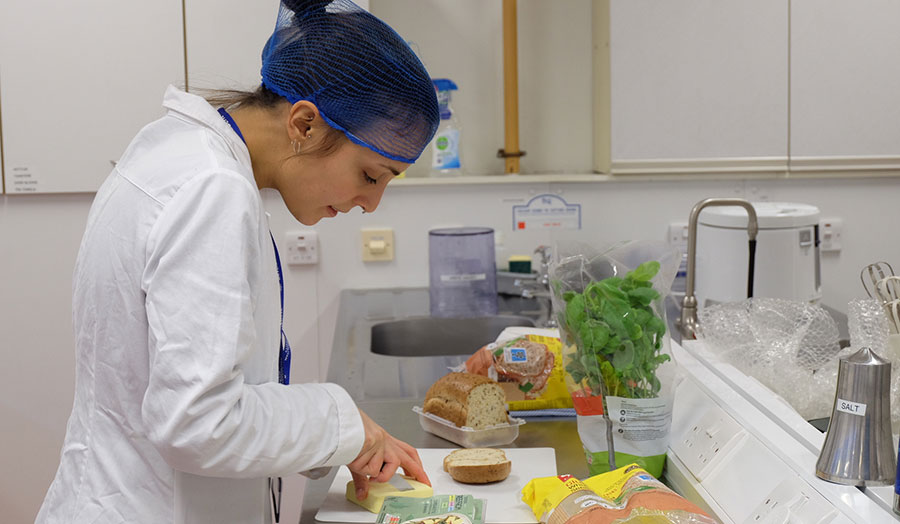
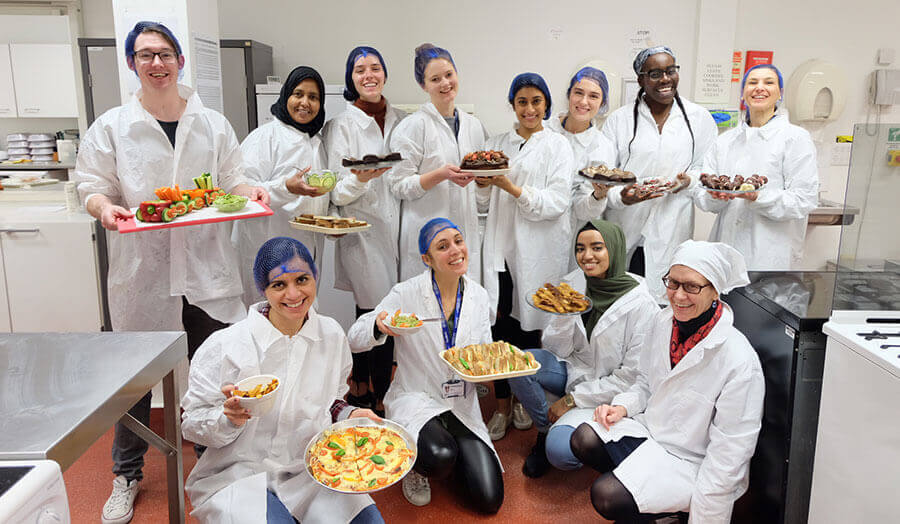
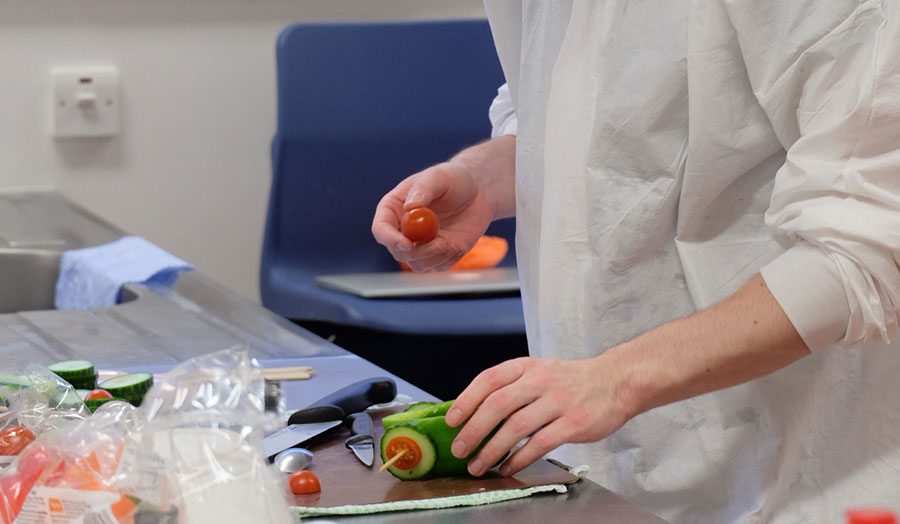
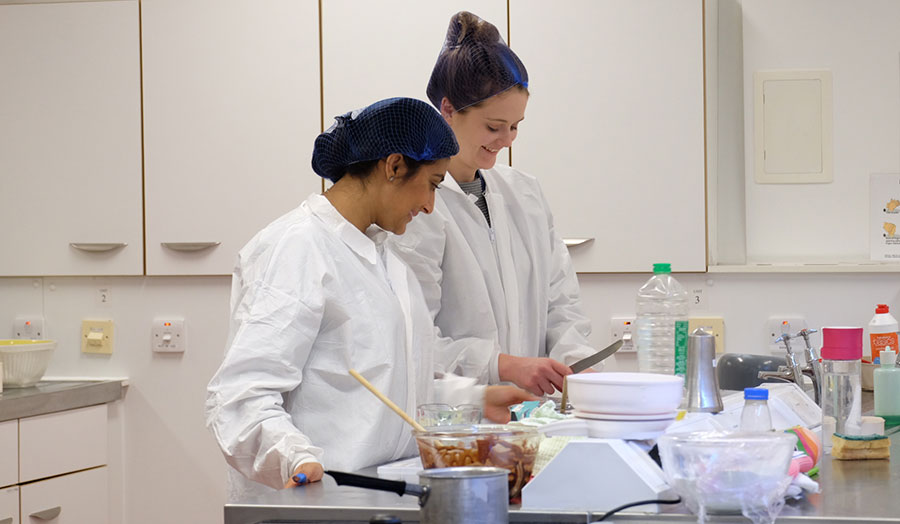
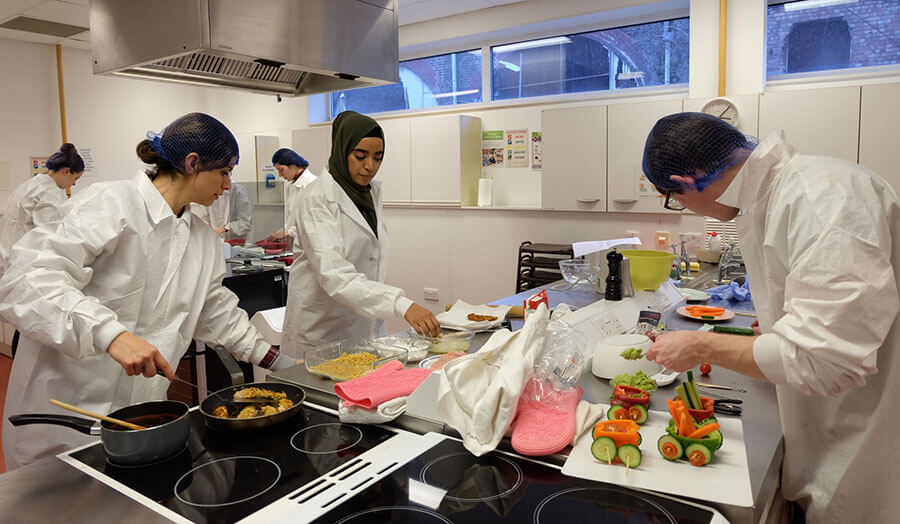
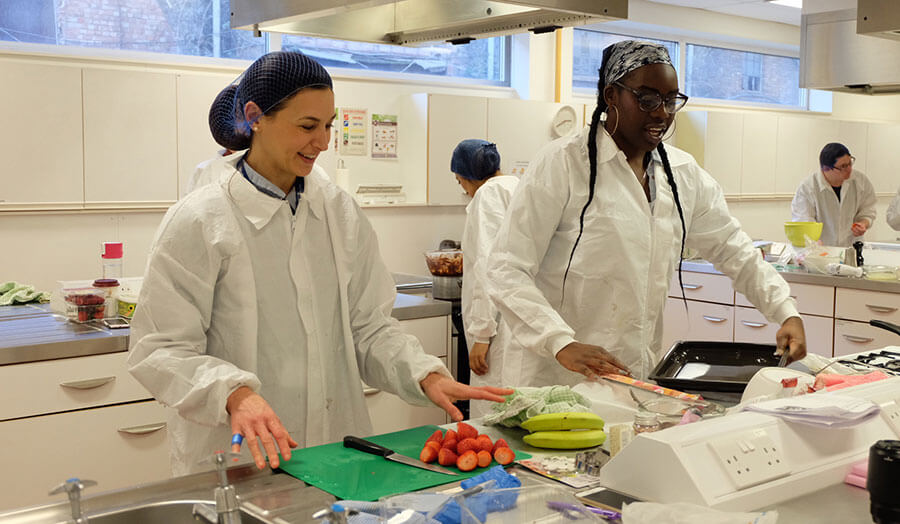
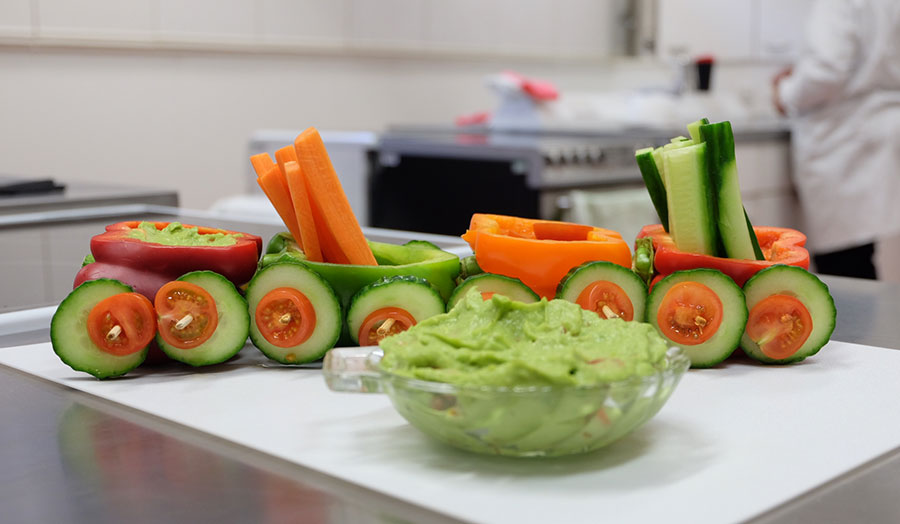
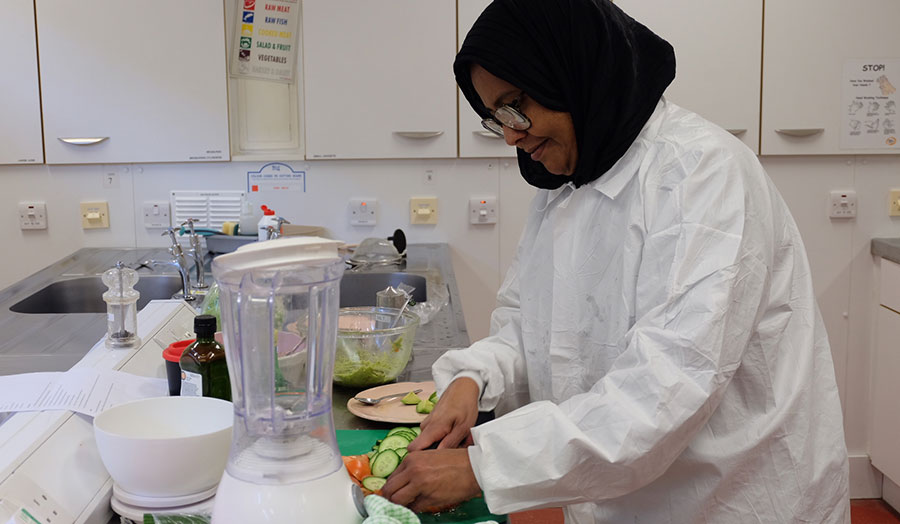
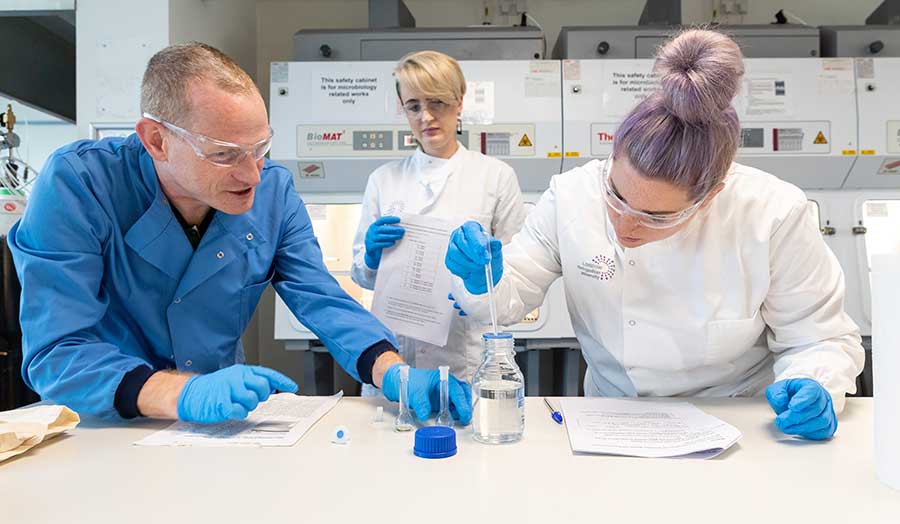
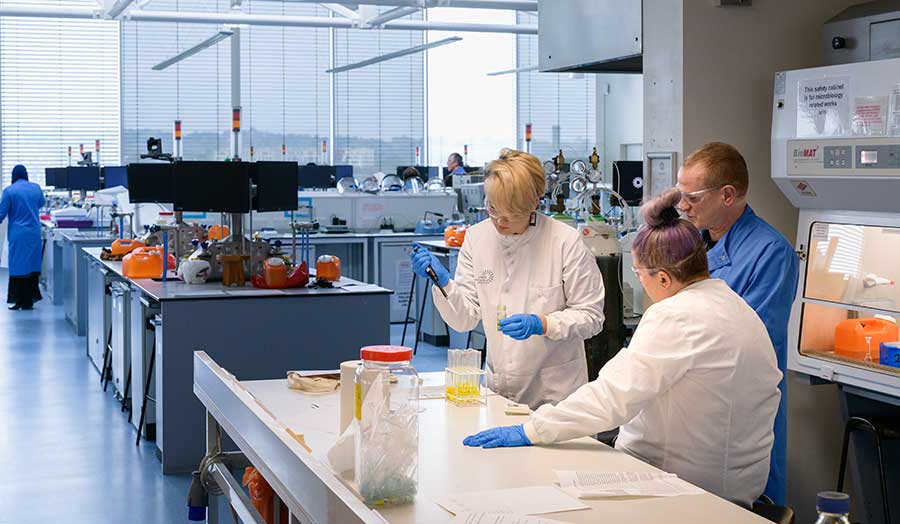
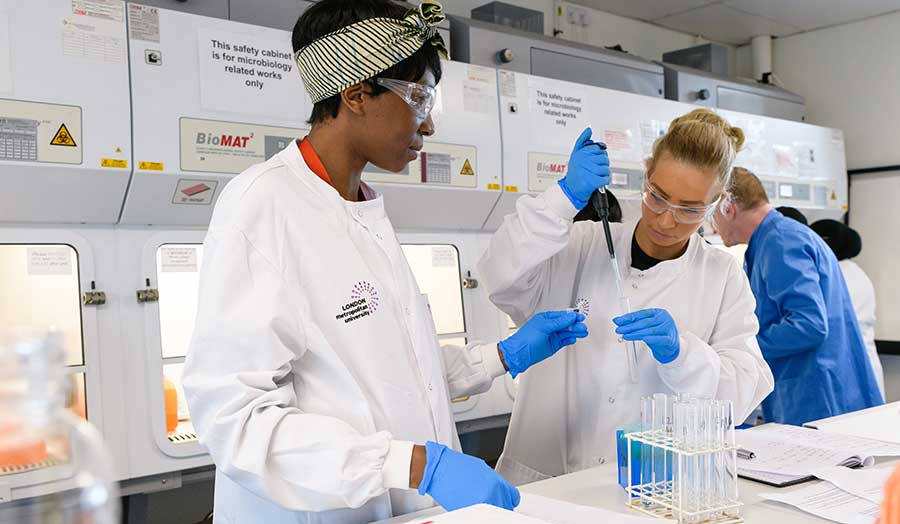
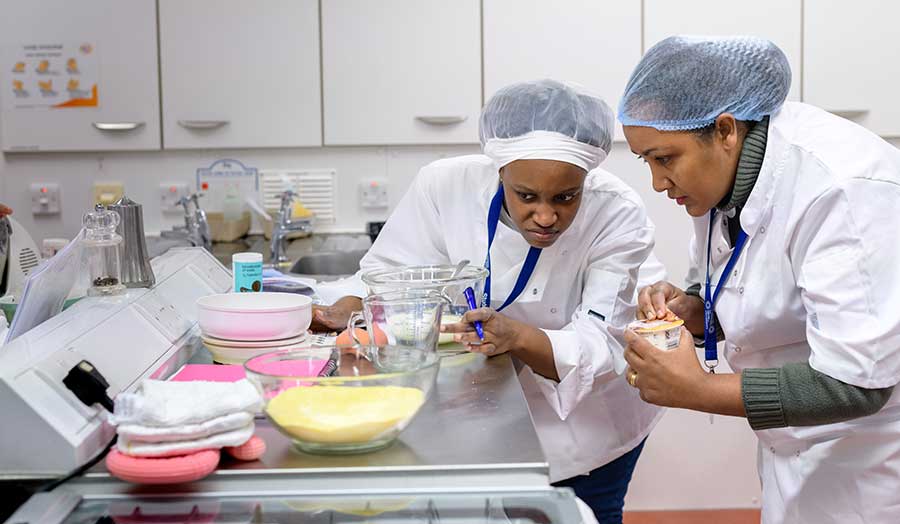
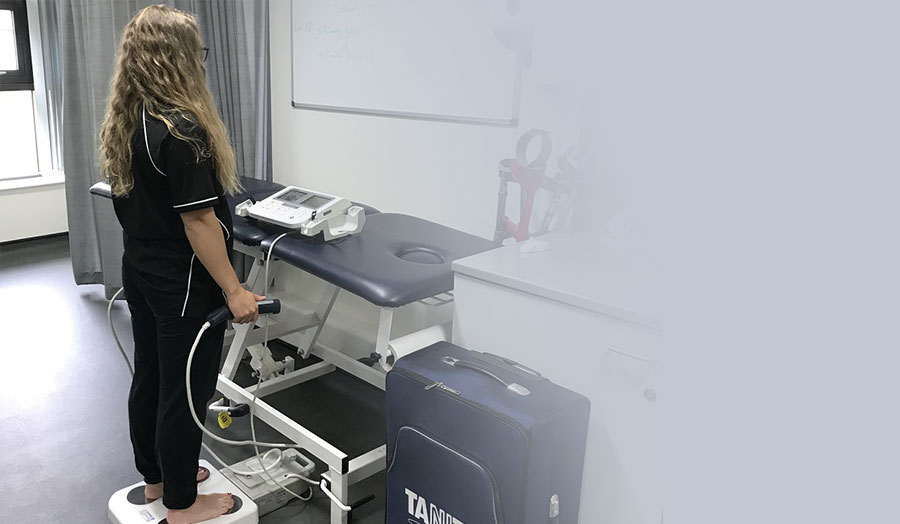
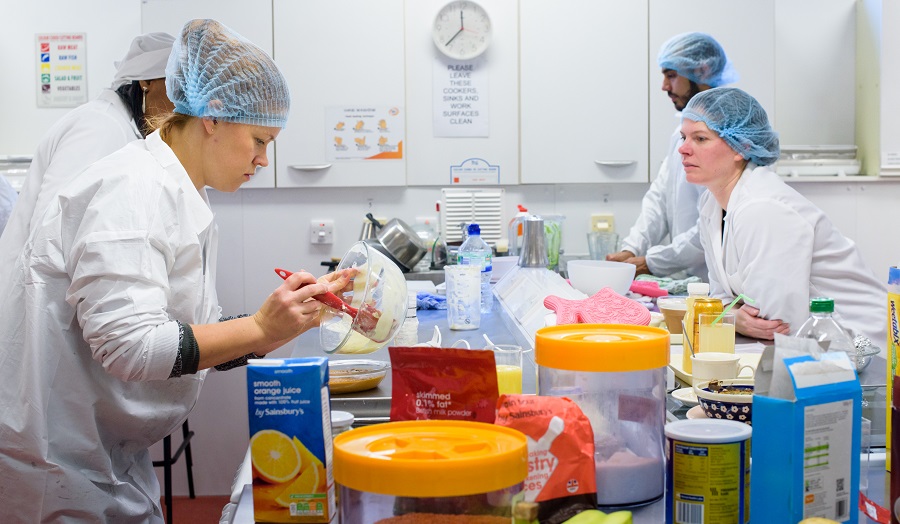
In addition to lectures and seminars, this degree includes group work, role plays and practical sessions in the laboratory and the technical kitchen. Our internationally renowned teaching staff are actively involved in dietetics practice and research, and will provide consistent support and mentorship.
You'll be assessed through seminar and poster presentations, Objective Structured Clinical Examinations (OSCE), case studies, practical reports, seen/unseen examinations, in-class tests and a compulsory final year dissertation
This course is accredited by The British Dietetic Association (BDA).
Successful completion of this course allows you eligibility to apply to join the register of the Health and Care Professions Council (HCPC) as a Dietitian
Graduating from our Dietetics BSc (Hons) course is the start of an exciting and varied career as a Dietitian for health and disease management.
Our health science graduates have gone into various health care professions including acute, community, obesity and HIV specialist dietitians, health advisers, sports coaches and PE teachers in organisations including King's College Hosptial, Bupa, Buckinghamshire Healthcare NHS Trust, Guys and St Thomas' Hospital, various other NHS organisations and The Food Chain.
If you study your undergraduate degree with us, as a graduate of London Met, you'll be entitled to a 20% discount on a postgraduate course if you continue your studies with us.
* exclusions apply
Please note, in addition to the tuition fee there may be additional costs for things like equipment, materials, printing, textbooks, trips or professional body fees.
Additionally, there may be other activities that are not formally part of your course and not required to complete your course, but which you may find helpful (for example, optional field trips). The costs of these are additional to your tuition fee and the fees set out above and will be notified when the activity is being arranged.
You may be eligible for funding of up to £5,000 per year, which you won't have to pay back, through the NHS Training Grant.
London dietitians who are prospective employers of dietetic graduates play both a strategic and operational role in developing and running the course.
Discover Uni – key statistics about this course
Discover Uni is an official source of information about university and college courses across the UK. The widget below draws data from the corresponding course on the Discover Uni website, which is compiled from national surveys and data collected from universities and colleges. If a course is taught both full-time and part-time, information for each mode of study will be displayed here.
How to apply
If you're a UK applicant wanting to study full-time starting in September, you must apply via UCAS unless otherwise specified. If you're an international applicant wanting to study full-time, you can choose to apply via UCAS or directly to the University.
If you're applying for part-time study, you should apply directly to the University. If you require a Student visa, please be aware that you will not be able to study as a part-time student at undergraduate level.
When to apply
The University and Colleges Admissions Service (UCAS) accepts applications for full-time courses starting in September from one year before the start of the course. Our UCAS institution code is L68.
To find out when teaching for this degree will begin, as well as welcome week and any induction activities, view our academic term dates.








.jpg)

.jpg)